A process-oriented model of the relationship between clinical supervision, burnout, and turnover intentions among substance abuse counselors.
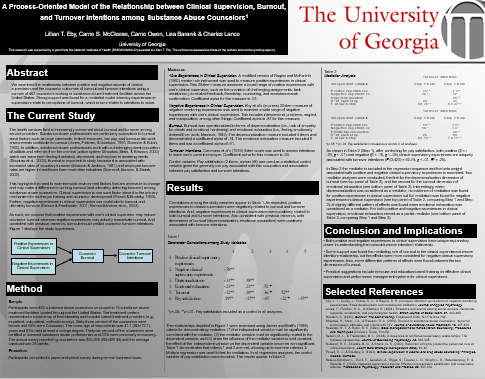 The health services field is increasingly concerned about burnout and turnover among service providers. Substance abuse professionals are particularly susceptible to burnout since factors such as large caseloads, limited resources, low pay, and bureaucratic work environments contribute to burnout. In addition, substance abuse professionals work with a challenging client population of addicts and referrals from the criminal justice system which can leave them feeling frustrated, depressed, and helpless in assisting clients. Examining work environment factors that are amenable to change may make a difference in curbing burnout (and ultimately deterring turnover) among substance abuse counselors. Clinical supervision is one such factor, as it is the primary mechanism for on-the-job training and counselor development. Further, negative experiences in clinical supervision can contribute to burnout and ultimately turnover. As such, the authors propose that positive experiences with one’s clinical supervisor may reduce counselor burnout whereas negative experiences may actually exacerbate burnout. And consistent with previous research, burnout should predict counselor turnover intentions.
This poster describes the outcomes of a CTN platform study that surveyed 462 counselors employed at fifteen CTPs (community treatment programs) in the Clinical Trials Network. Two dimensions of burnout were examined: depersonalization and emotional exhaustion. The variables of role overload, job satisfaction, and pay satisfaction were used as control variables in all of the multiple regression analyses. The results indicate that both positive and negative clinical supervisory experiences are associated with turnover intentions. Likewise, counselor burnout was associated with turnover intentions. Further, both depersonalization and emotional exhaustion were partial mediators of the relationship between positive and negative clinical supervisory experiences and turnover intentions. This study indicates that high quality clinical supervision may be important in reducing burnout and subsequent counselor intentions to turnover. The practical suggestions include in-house and education-based training on effective clinical supervision and performance management systems that hold clinical supervisors accountable for their behavior toward counselors.