Effects of buprenorphine and hepatitis C on liver enzymes in adolescents and young adults.
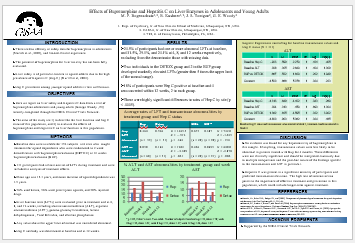 This study aimed to determine whether buprenorphine treatment was associated with changes in liver function among opioid dependent subjects aged 15-21. Baseline data was available for 152 subjects who participated in protocol CTN-0010 (“Buprenorphine/Naloxone-Facilitated Rehabilitation for Opioid Dependent Adolescents/Young Adults”), seeking treatment for opioid dependence. The subjects were then randomized to 2 weeks of detoxification with buprenorphine/naloxone (DETOX) or 12 weeks of buprenorphine/naloxone (BUP), each with weekly individual and group drug counseling. Liver function tests (LFTs) were evaluated at 4, 8, and 12 weeks, including ALT, AST, GGT, LDH, Total Bilirubin, and alkaline phosphatase. 111 patients had at least one set of LFTs during treatment and were included in analyses of treatment effects. 24.8% of participants had one or more abnormal LFTs at baseline, with 31.5%, 29.1%, and 24.1% at 4, 8, and 12 weeks respectively. Two individuals in the DETOX group and 2 in the BUP group developed markedly elevated LFTs. 19% of participants were Hep C positive at baseline and 4 seroconverted within 12 weeks, 2 in each group. No significant differences were found between treatment groups on total LFT abnormalities, but patients in the BUP group had fewer elevated transaminase values during treatment (p = .041). There were highly significant differences in rates of Hep C by site. Hep C status was weakly associated with total LFT abnormalities, but more strongly associated with transaminase abnormalities. When logistic regression was used with any abnormal transaminase as the dependent variable, Hep C status was highly significant, but treatment group lost significance. In conclusion, no evidence was found for hepatotoxicity of buprenorphine in this sample. Hep C was present in a significant minority of participants and was a significant predictor of transaminase elevation. The high rate of seroconversion points to the importance of effective treatment and prevention in this population.
Related protocols: CTN-0010